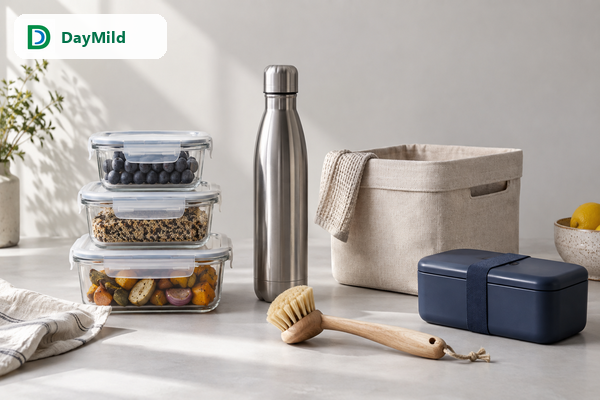
A storage basket can support pantry, bathroom, closet, shelf, utility, or laundry organisation, but a useful retail range begins with the storage job rather than a generic woven-look silhouette. This guide helps buyers compare a storage baskets manufacturer, evaluate wholesale storage baskets, and prepare a private-label brief with size logic, materials, packing, and shipment inspection in view.
1. The buyer's answer: how to approach storage baskets manufacturer: wholesale and private label buyer guide
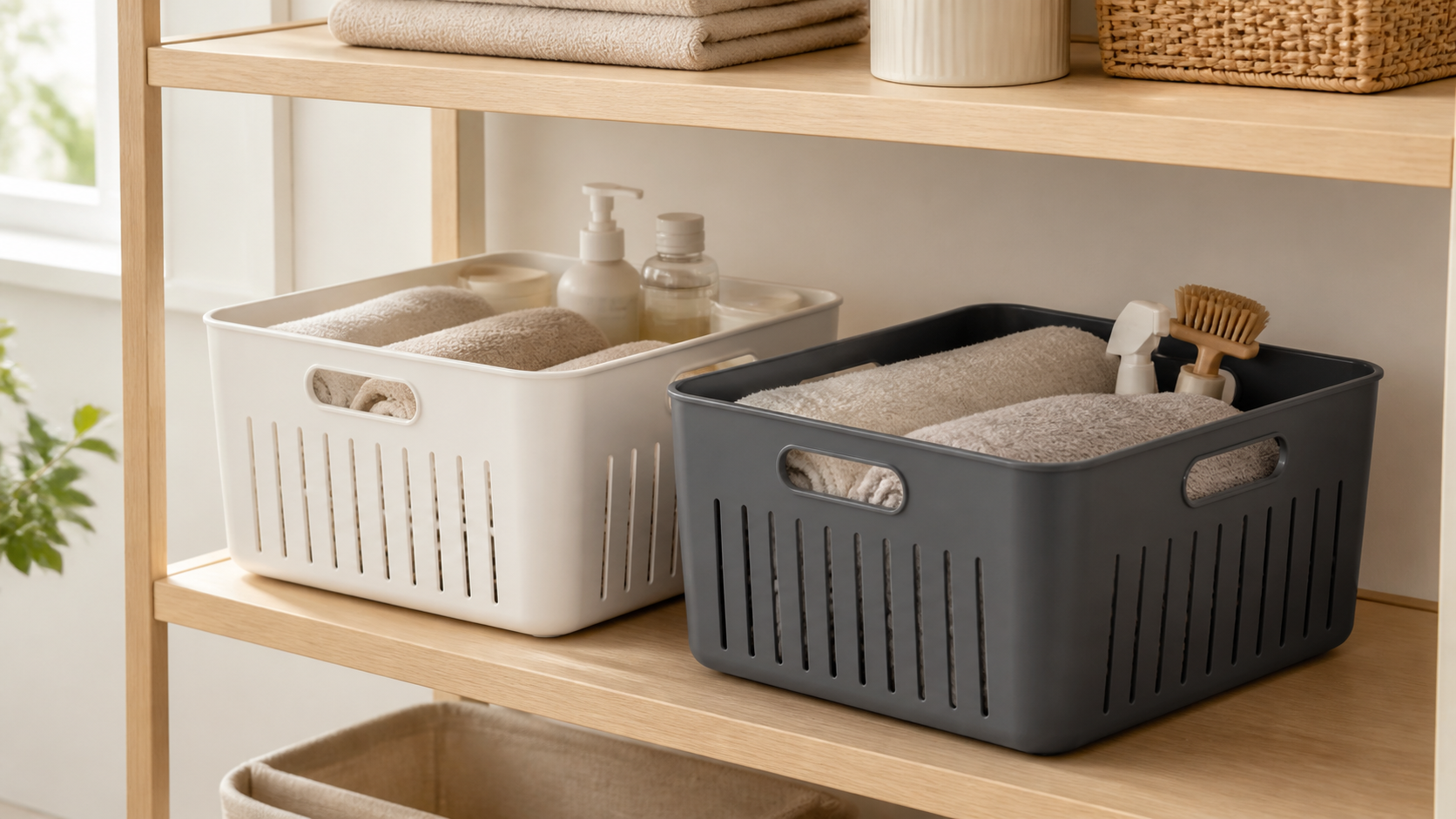
Choose a storage baskets manufacturer by defining the customer’s storage zone and lift task. Shelf baskets, pantry baskets, bathroom formats, closet bins, and utility carriers differ in footprint, height, handle route, nesting, material, finish, pack, and carton needs. The first brief should state the target market, intended zone, product role, size ladder, material direction, target channel, quantity range, price position, retail-pack route, and delivery schedule. Wholesale storage baskets, storage baskets supplier, storage baskets manufacturer, private-label storage baskets, custom storage baskets, and OEM storage baskets are purchasing routes, not specifications. A supplier should explain the selected material, handle construction, nesting relationship, dimensions, visible finish, pack route, carton plan, and quality scope. This enables buyers to compare actual product assumptions instead of treating all baskets with a similar outline as interchangeable. For a first range, choose a short family of sizes with distinct uses. A compact shelf bin, a medium everyday basket, and a larger utility format can form an understandable price ladder. Each size should have a role in the consumer’s home and a reason for the retailer to stock it, rather than simply add another similar footprint.
The most reliable route is to make the buying decision visible before asking for a final price. State the target market, intended channel, product role, quantity range, and any non-negotiable requirement. This turns a broad catalogue request into a reviewable brief and gives both parties a clearer basis for sample, packing, and shipment preparation.
2. Build the commercial decision before comparing quotations
Ask every storage baskets supplier to quote from the same written brief. A comparable quotation should state material route, handle and reinforcement details, dimensions, nesting relationship, colour or finish, decoration if selected, unit pack, inner pack, master carton, quality scope, lead-time assumption, and delivery term. A lower quote may reflect a different material thickness, reinforcement, finish, pack, or carton quantity; it should not be compared with a different specification as though it were the same basket. Private-label storage baskets are often differentiated through colour, finish, handle detail, coordinated sizes, packaging, and shelf messaging. Confirm which custom storage baskets changes affect tooling, material sourcing, colour matching, branding, artwork proofing, MOQ, lead time, or carton cube. The buyer should approve final retail information and claims, while the manufacturer should control the approved product-and-pack version through production. Build freight into the comparison. Nesting can make wholesale storage baskets efficient to ship, but it needs a clear separation and identification route for receiving. A rigid basket may present well on shelf but increase carton volume. A flexible format may ship flat but need shape recovery checks. The best OEM decision balances retail presentation, product application, freight, and replenishment rather than focusing on the unit cost alone.
Compare like with like. A lower unit price can reflect a different material route, component set, pack configuration, carton quantity, or inspection scope. Ask suppliers to show the assumptions behind a quotation and retain the version with the selected option. That record is useful when the approved sample, shipment inspection, and invoice are reviewed later.
| Decision area | Buyer choice | Evidence |
|---|---|---|
| Range architecture | Storage zones, size ladder and price roles | Buyer range brief |
| Product route | Material, handles, dimensions and nesting | Approved sample and specification |
| Packing | Retail information, protection, inner pack and carton | Artwork proof and packing photos |
| Release | Fit, finish, set count and shipment condition | Factory testing and inspection record |
3. Define the product evidence a buyer should see
Document the basket as a system of working details: body, handle, rim, reinforcement, base, feet, nesting geometry, colour or finish, label area, and any removable insert. Record exterior and usable dimensions where relevant, intended storage zone, material route, care guidance, colour reference, and the functions to check on the buyer-approved sample. The sample should be viewed in its intended orientation and storage context. Review product application in a representative shelf or utility zone. Check whether the basket has a practical lift point, maintains its form as specified, nests or stacks correctly, holds the selected category of goods, and presents the visible finish consistently. A lifestyle image cannot fully reveal awkward handles, unstable nesting, material variation, or a footprint that does not support the planned range. Use specific, checkable language in the product brief. Rather than promising a basket works everywhere, identify the selected size, intended zone, material, finish, and load-related use assumptions. This makes factory testing and shipment inspection practical and keeps retail copy trustworthy.
Use the approved sample as a shared reference rather than relying on a product image alone. In practical factory testing, this means checking the visible parts, assembly, fit, moving components, count, and any agreed function against a documented reference. It is better to describe a limited, testable condition than to use a broad marketing claim that cannot be verified.
4. Make sample approval and factory checks specific
Agree factory testing and shipment inspection before production begins. Depending on the approved basket, useful checkpoints can include key dimensions, shape, handle attachment, rim or reinforcement condition, nesting or stacking relationship, visible finish, component count, retail-pack presentation, and export-carton protection. The checklist should be written for the selected construction rather than copied from an unrelated homeware product. Keep evidence at control points: approved-sample photographs, material or colour confirmation when needed, packed-unit photos, finished product and carton photos, and records of inspection findings or corrective action. If a production detail changes, record the revised version and approval owner. This gives purchasing, quality, warehouse, and merchandising teams a shared reference. During shipment preparation, check nesting order, separator or protective material, inner-pack counts, product identifiers, carton marks, and carton orientation. These controls help prevent surface damage, crushed forms, and size-variant mix-ups during consolidation and receiving.
Before goods are complete, agree the inspection timing, the approved product and pack references, the critical functions, visible tolerances, and the action route if a finding needs correction. A factory quality check or third-party shipment inspection can then report against an agreed scope instead of making an improvised judgement on the day.

5. Treat retail packing and export packing as part of the product
Retail packaging should make the storage role, size, and selected product features understandable without unsupported claims. Provide space for barcode data, country-of-origin wording, care information, and market-specific copy. A sleeve, tag, set band, or box should support shelf communication and keep the basket protected through the export route. Export packing should be reviewed separately. Confirm nesting order, bags or dividers, handle protection, inner-pack configuration, carton quantity, carton marks, and pallet instructions where applicable. The carton plan needs to protect the visible product while still allowing stores to receive and replenish the selected size family efficiently. Before dispatch, request photographs of the finished product, handles or accessory parts, retail pack, internal protection, inner pack, and master carton. This connects the buyer-approved retail version to the actual shipment handover.
Ask for a pre-production photo set before mass production is finished: the product in the retail pack, front and back panels, internal protection, barcode area, inner pack, and master carton. This simple record helps product, logistics, and buying teams identify a mismatch while there is still time to correct it.
6. Send a sourcing brief that earns a useful reply
Send DayMild the target market, storage zones, reference products, planned size ladder, material and colour direction, estimated quantity, target price position, private-label needs, retail-pack route, delivery goal, and known retailer requirements. Tell us whether you need ready wholesale storage baskets, a private-label family, or custom OEM development. Use the same brief when comparing manufacturers so product construction, pack route, quality scope, and delivery assumptions can be evaluated consistently. Browse the Open-Shelf Basket, Everyday Laundry Hamper, and open shelf basket retail buyer guide for related planning. Send your requirements with your market, quantity range, and delivery timing. DayMild will respond with relevant product formats and the next sample, packaging, and inspection decisions to settle before production.
A short, honest first brief is enough to start. DayMild can help buyers translate a category idea into a product, packaging, and quality discussion. Browse our DayMild home organization products to see relevant formats, then send the destination market, target quantity, preferred delivery window, and the questions your team needs answered.
Frequently asked questions
What should I ask a storage baskets manufacturer before requesting a quote?
Share the target market, intended storage zones, size ladder, material and finish direction, estimated quantity, target price, pack route, timeline, private-label requirements, and known retailer instructions.
How should I compare wholesale storage baskets?
Use one product brief and compare material construction, handle and reinforcement details, dimensions, nesting, retail pack, carton quantity, quality scope, lead time, delivery term, and supplier assumptions before comparing price.
Can a supplier make private-label storage baskets?
A supplier may support buyer-approved colours, finishes, branding, set configurations, and packaging. Confirm tooling or material implications, artwork proofing, MOQ, product claims, and export protection before production.
What should storage basket shipment inspection check?
The agreed plan can include product identity, dimensions, shape, handle and rim condition, nesting or stacking relationship, visible finish, retail-pack condition, carton protection, and required markings against the approved reference.
How can I start a homeware sourcing enquiry?
Send DayMild the product category, target market, estimated quantity, pack requirements, timeline, and the most important buying questions. We will help identify the next product, packing, and quality decisions to review.
Conclusion: make the handoff clear before production
Good homeware sourcing is not about asking a supplier to promise everything. It is about defining the product, retail presentation, and inspection evidence that matter for the selected market. The clearer the approved brief, the more useful the quote, sample review, factory testing, and shipment handoff become.
When you are ready, get a storage basket quote with your category, market, and buying priorities. DayMild will respond with relevant product options and the next practical questions.